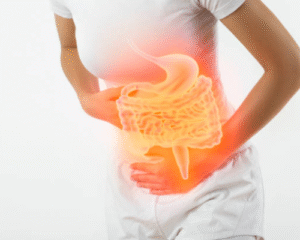
It’s no secret that stress can affect your body, but for people living with chronic pain, the impact can be even more significant. Stress doesn’t just affect your mood or energy levels-it can actually make your pain worse, interfere with healing, and create a cycle that’s hard to break.
In this article, we’ll explore the connection between stress and chronic pain, how the body responds to both, and what you can do to manage them together for better long-term outcomes.
How Stress Affects the Body
Stress activates your body’s fight-or-flight response, releasing hormones like cortisol and adrenaline. While this is useful in short bursts, chronic stress keeps your body in a constant state of alert. Over time, this can lead to increased inflammation, muscle tension, and a lower pain threshold.
For people already dealing with chronic pain, stress can make symptoms more intense or more difficult to manage.
Common Ways Stress and Pain Interact
Stress and chronic pain often feed off one another. Here are some examples of how the two can become interconnected:
- Stress can cause you to tense your muscles, increasing physical discomfort
- Chronic pain can make it harder to sleep, which raises stress levels
- Anxiety or depression related to pain can increase pain perception
- Reduced physical activity due to pain can result in more stress
This cycle can lead to physical and emotional exhaustion if not addressed holistically.
The Role of the Nervous System
Both stress and chronic pain are closely tied to the nervous system. When you’re under stress, your nerves can become hypersensitive. This heightened state can amplify how your body perceives pain signals.
Over time, your nervous system can become conditioned to overreact to even minor discomforts, making pain management more complex.
Managing Stress to Improve Pain
Reducing stress is a key part of managing chronic pain effectively. While eliminating stress entirely isn’t realistic, learning how to manage it can make a major difference. Helpful strategies include:
- Deep breathing or meditation techniques
- Regular, gentle exercise (such as walking or stretching)
- Counseling or therapy to develop coping skills
- Setting realistic goals and boundaries
- Staying connected to a supportive community
At Alleviate Pain, we encourage patients to incorporate stress management alongside medical treatments for the most complete care.
When to Seek Help
If your pain seems to worsen during stressful times, or if stress is becoming harder to manage, it may be time to speak with a specialist. Our team at Alleviate Pain provides guidance not just on physical treatments but on ways to support your overall wellness.
We collaborate with local providers when necessary to ensure patients receive comprehensive care. Visit alleviatepaintampa.com or check out our Google Business Profile to learn more.
FAQs
Q: Can stress really cause physical pain?
A: Yes. Long-term stress can trigger muscle tension, headaches, back pain, and worsen existing conditions.
Q: Should I talk to a pain specialist about stress-related symptoms?
A: Absolutely. A good pain management provider understands the mind-body connection and will factor it into your care plan.
Q: What if I already take medication for pain?
A: Stress management can complement your existing treatment and often helps medications work more effectively.