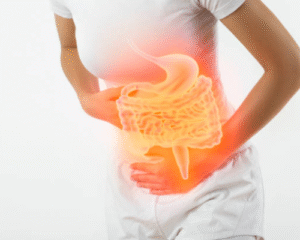
Chronic pain can feel like it’s out of your hands. But while you may not have caused the pain you’re living with, certain daily habits can either make it worse or help you feel better. Understanding the role lifestyle plays in pain levels is one of the most empowering steps you can take on your road to recovery.
This article explores the key lifestyle factors that influence chronic pain and offers realistic ways to support your treatment through small, sustainable choices.
Sleep: Your Body’s Reset Button
Poor sleep and chronic pain often go hand in hand. When you don’t sleep well, your body doesn’t heal as efficiently, and your brain becomes more sensitive to pain signals. You may also feel more fatigued, irritable, and mentally drained, all of which can lower your pain tolerance.
Improving your sleep routine can help reduce inflammation and support recovery. Start by going to bed at the same time each night, limiting screen use before bed, and keeping your bedroom cool and quiet.
Stress and Emotional Health
Pain isn’t just physical. Stress, anxiety, and depression can increase how intensely you feel pain and how much it interferes with your life. That’s because emotional tension activates the nervous system and makes your body more reactive to discomfort.
Stress reduction techniques like breathing exercises, journaling, or talking to a mental health professional can be a key part of your overall pain management plan.
Movement and Exercise
It might seem counterintuitive to move when you’re in pain, but regular gentle movement is one of the most important things you can do. Staying still for too long weakens muscles, reduces flexibility, and can actually increase stiffness and discomfort.
Simple activities like walking, swimming, or stretching can improve circulation, ease joint stress, and release endorphins, your body’s natural painkillers. Always check with your provider before starting a new routine.
Posture and Ergonomics
How you sit, stand, and move through your day can impact chronic pain, especially if you’re dealing with back, neck, or joint issues. Poor posture at a desk or in the car can increase strain on your spine and muscles.
Try to keep your shoulders relaxed, your feet flat on the floor, and your screen at eye level. Small adjustments to your workspace or habits can lead to long-term improvement.
Nutrition and Inflammation
Food choices can affect pain, especially when inflammation plays a role. Diets high in sugar, refined carbs, and processed fats may increase inflammatory responses in the body.
Try incorporating more of the following into your meals:
- Leafy greens and colorful vegetables
- Omega-3 rich foods like salmon or flaxseed
- Whole grains and legumes
- Fresh fruits, especially berries
Hydration also matters. Drinking enough water can help support joint health and circulation.
You Don’t Have to Do It Alone
Lifestyle changes aren’t a cure-all, but they can significantly boost the effectiveness of medical treatments. At Alleviate Pain, we encourage a comprehensive approach that includes physical, emotional, and behavioral support.
If you’re looking for guidance, our team is here to help you build a plan that works with your life, not against it. Visit our official website to learn more, or explore our Google Business Profile to read about others’ experiences.
FAQs
Q: Can lifestyle changes really reduce chronic pain?
A: Yes, many patients find that small improvements in sleep, movement, and diet significantly reduce flare-ups and improve energy levels.
Q: Should I stop my treatments if I focus on lifestyle?
A: No. Lifestyle changes should support your treatment plan, not replace it. Always work with your provider to build the right combination.
Q: What if I’ve tried everything and still feel stuck?
A: You’re not alone. Sometimes it takes the right combination of care and consistency to see progress. Our team can help you find it.