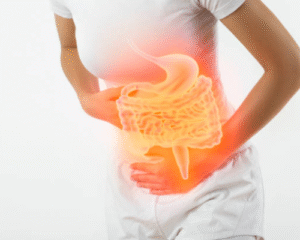
One of the most frustrating experiences for patients is feeling relief from pain, only to have it return later. It can feel discouraging and confusing. Many people start to wonder if the treatment worked at all.
The truth is, recurring pain does not always mean something went wrong. In many cases, it is part of a larger healing process that requires ongoing attention and adjustment.
This article explains why pain can return after treatment and what you can realistically expect moving forward.
Pain Relief Is Often a Process, Not a One-Time Fix
Pain is rarely caused by a single factor. It usually develops over time due to a combination of physical stress, inflammation, movement patterns, and sometimes nerve sensitivity.
Because of this, treatment is often done in phases. You may feel relief early on, but that does not always mean the underlying issue is fully resolved.
Some treatments are designed to reduce inflammation or calm irritated nerves. Others are meant to improve function and prevent the problem from returning. These approaches often work best when combined over time.
The Body Needs Time to Adapt
After treatment, your body goes through a period of adjustment. Muscles, joints, and nerves may begin functioning differently as inflammation decreases and mobility improves.
During this phase, it is normal to experience changes in how pain feels. Some patients notice temporary discomfort as the body adapts to new movement patterns.
This does not mean the treatment failed. It often means your body is responding and recalibrating.
Lifestyle Factors Still Matter
Even the most effective medical treatments can be affected by daily habits. Things like posture, activity level, stress, and sleep all play a role in how your body handles pain.
For example:
- Sitting for long periods can reintroduce back or neck strain
- Poor sleep can increase sensitivity to pain
- High stress levels can trigger muscle tension
This is why long-term improvement usually includes small lifestyle adjustments alongside medical care.
Nerve Sensitivity Can Take Longer to Calm Down
In some cases, especially with nerve-related pain, the nervous system becomes more sensitive over time. Even after the original cause is treated, the nerves may continue to send strong pain signals.
This is sometimes referred to as pain memory. It does not mean damage is still occurring. It means the nervous system needs more time and support to settle down.
Treatments like nerve blocks, guided therapy, and gradual activity can help reduce this sensitivity.
Why Follow-Up Care Is Important
One of the biggest reasons pain returns is that follow-up care is skipped. When patients feel better, it is natural to want to move on and return to normal routines.
However, follow-up visits allow your provider to:
- Monitor progress
- Adjust treatment if needed
- Catch early signs of recurrence
- Strengthen long-term results
Consistency often makes the difference between short-term relief and lasting improvement.
Moving Forward With Confidence
Experiencing recurring pain does not mean you are back at the beginning. It simply means your body may need a more complete or adjusted approach.
At Alleviate Pain, the goal is to guide patients through every stage of treatment, not just the initial phase. Care plans are designed to evolve based on how your body responds.
If you have questions about your symptoms or want to better understand your treatment options, visit our official website. You can also read patient experiences on our Google Business Profile.
FAQs
Q: Is it normal for pain to come back after treatment?
A: Yes. In many cases, pain can return temporarily as part of the healing and adjustment process.
Q: Does recurring pain mean the treatment failed?
A: Not necessarily. It may mean the condition needs additional or ongoing care.
Q: What should I do if my pain comes back?
A: The best step is to follow up with your provider so they can evaluate and adjust your treatment plan.